
In a world where we're all glued to our screens, print media is experiencing a genuine renaissance. This resurgence comes from effectiveness rather than nostalgia. As consumers grow increasingly fatigued with digital advertising, print offers a tangible, trustworthy alternative that engages multiple senses and creates lasting impressions.
Print's not dead. It's just getting started.
The question marketers should ask themselves isn't whether print remains relevant in 2025, but how they can use it strategically to cut through digital noise. While digital channels grow increasingly crowded and expensive, print presents an opportunity to create meaningful connections with audiences seeking authenticity and substance.
Forward-thinking brands understand this shift and are integrating print into their marketing mix with remarkable results. The physical nature of print creates a psychological impact that digital simply cannot replicate, making messages more memorable and persuasive when delivered through carefully crafted printed materials.

(Source: The Business Search Company)
How print has evolved
Print has evolved far beyond traditional formats into something much more sophisticated:
AR-enhanced catalogues that bring content to life
Eco-friendly packaging that aligns with modern values
Tactile, memorable materials that remain present longer than digital alternatives
This evolution represents a fusion of traditional craft with cutting-edge technology. Modern printing techniques allow for unprecedented levels of customisation and interactivity while maintaining the fundamental tactile qualities that make print effective.
Print engages more of your senses – touch, sight, sometimes even smell. Your brain forms stronger connections with physical things or brands, which explains why a catalogue you flipped through sticks in your memory bank while yesterday's Instagram ads have already faded. Research consistently shows that physical materials create stronger neural connections and deeper memory imprints than their digital counterparts.
For brands looking to make a lasting impression, this multi-sensory engagement provides a significant advantage in an increasingly digitised world.
The 3 pillars of print media
1. Traditional print
Print publications continue to hold significant influence in specific sectors. Luxury brands, in particular, rely heavily on high-quality print materials to convey exclusivity and craftsmanship. The permanence of print lends credibility to messages that digital mediums often struggle to achieve.

(Source: Print Power)
2. Direct marketing materials
In more recent times, direct mail has undergone a significant transformation, leveraging data analytics and personalisation to create highly targeted campaigns. Modern direct mail pieces now often incorporate interactive elements that bridge physical and digital experiences, such as augmented reality markers or personalised QR codes.

(Source: Lob)
3. Environmental print
From billboards to point-of-sale displays, environmental print creates ambient brand presence in physical spaces. These materials have evolved to incorporate digital elements while maintaining their ability to capture attention in increasingly crowded environments.

(Source: Print Finish)
Print media trends reshaping marketing in 2025
Print media isn't just surviving in 2025 - it's becoming a secret weapon for brands tired of diminishing digital returns. Here's what's actually working and why it matters:
The Reality of Print in 2025
The print industry has transformed from traditional mass production to highly targeted, tech-enhanced communication. Magazines and catalogs incorporate real-time pricing updates through electronic paper. Retailers use print to cut through digital noise, sending hyper-personalised catalogs that speak directly to consumer interests. Even B2B companies are returning to print for high-value client communications.
Print has become a strategic advantage for brands tired of diminishing returns on digital ads. Here's what's currently in the workings:
The innovations
Smart catalogues:
Retailers now produce catalogs that automatically sync prices and inventory with online stores. These clever pieces provided updated pricing and stock levels in real-time.
Tap-to-buy pages:
New conductive inks let customers tap printed pages with their phones to instantly buy products - no QR codes needed. This technology has not only boosted conversion rates compared to standard digital channels, but also eliminates friction between discovery and purchase, creating seamless shopping experiences that blend physical browsing with digital convenience.
Weather-responsive mail:
Letters and postcards change their message based on weather, time of day, or local events. For example, a restaurant's mailer might show different menu items depending on the temperature outside. This contextual relevance increases response rates by making offers more timely and appropriate to the recipient's immediate environment.
Sustainable print materials:
Brands are embracing biodegradable inks, recycled papers, and innovative plant-based materials that communicate environmental values while reducing ecological impact. Customers increasingly expect this attention to sustainability across all brand touchpoints.
Strategic applications
For businesses considering print in 2025, focus on:
Deploying print for high-value customer segments where digital engagement has dropped. Analyse your customer data to identify groups experiencing digital fatigue or showing preference for physical interactions.
Integrating print with digital systems for seamless customer experiences. Create connected journeys where print drives online actions, and digital experiences encourage engagement with physical materials.
Testing print in markets where digital advertising costs continue to rise. As CPMs increase across major platforms, print can provide cost-effective alternatives for reaching specific audience segments.
Using print to communicate complex messages that benefit from longer attention spans. When your content requires thoughtful consideration, the focused attention people give to printed materials offers a significant advantage.
The approach involves using print strategically where it delivers superior results rather than replacing digital entirely. The most successful campaigns use each medium for what it does best within an integrated strategy.
Print's role in marketing
Successful brands recognise that print complements and enhances digital marketing efforts. Print provides a physical touchpoint in an increasingly virtual customer journey.
This complementary relationship works because print and digital have different strengths. Print excels at creating emotional connections, conveying quality, and capturing focused attention. Digital provides convenience, immediate action, and precise measurement. Together, they create customer experiences that are greater than the sum of their parts.
Modern tracking mechanisms like integrated QR codes and cross-channel attribution modelling allow brands to measure impact with unprecedented accuracy. These advancements address the historical challenge of measuring print's ROI, giving marketers confidence in their print investments.
10 iconic print ads
While digital ads come and go in the blink of a scroll, these remarkable print campaigns stopped us in our tracks and demonstrated the enduring power of physical media to surprise, delight, and connect with audiences.
McDonald's Speed Lines
Simple horizontal lines that instantly evoke McDonald's iconic burgers in motion. Proves how deeply brand imagery can embed in our collective consciousness, where even abstract representations remain recognisable.
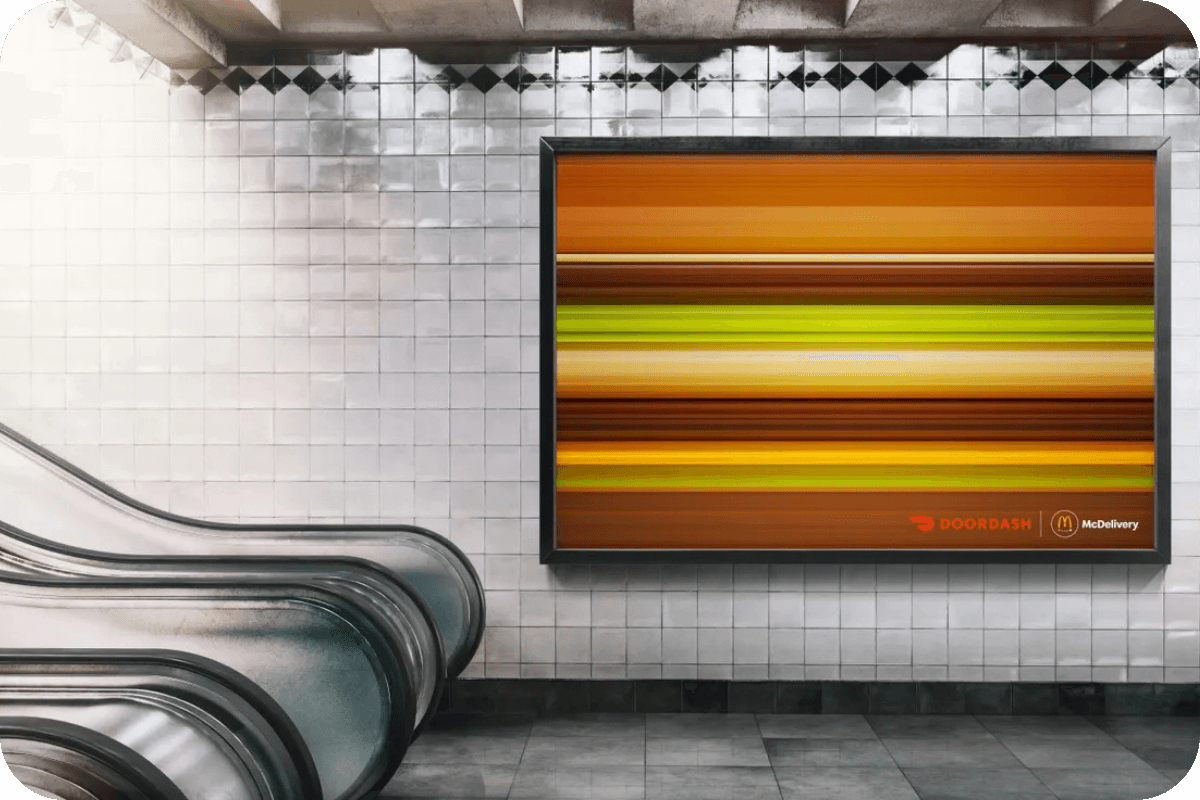
(Source: It's That Nice)
KFC's FCK Apology
When KFC ran out of chicken (yes, really), they responded with a genius rearrangement of their letters and a humble apology. Crisis management elevated to art form that earned them more goodwill than before the shortage.

(Source: The Standard)
Burger King's Flame-Grilled Reality
Using actual photos of their restaurants on fire to highlight their flame-grilling cooking method. Turning a potential negative into a brand strength with self-deprecating humour that feels authentic.
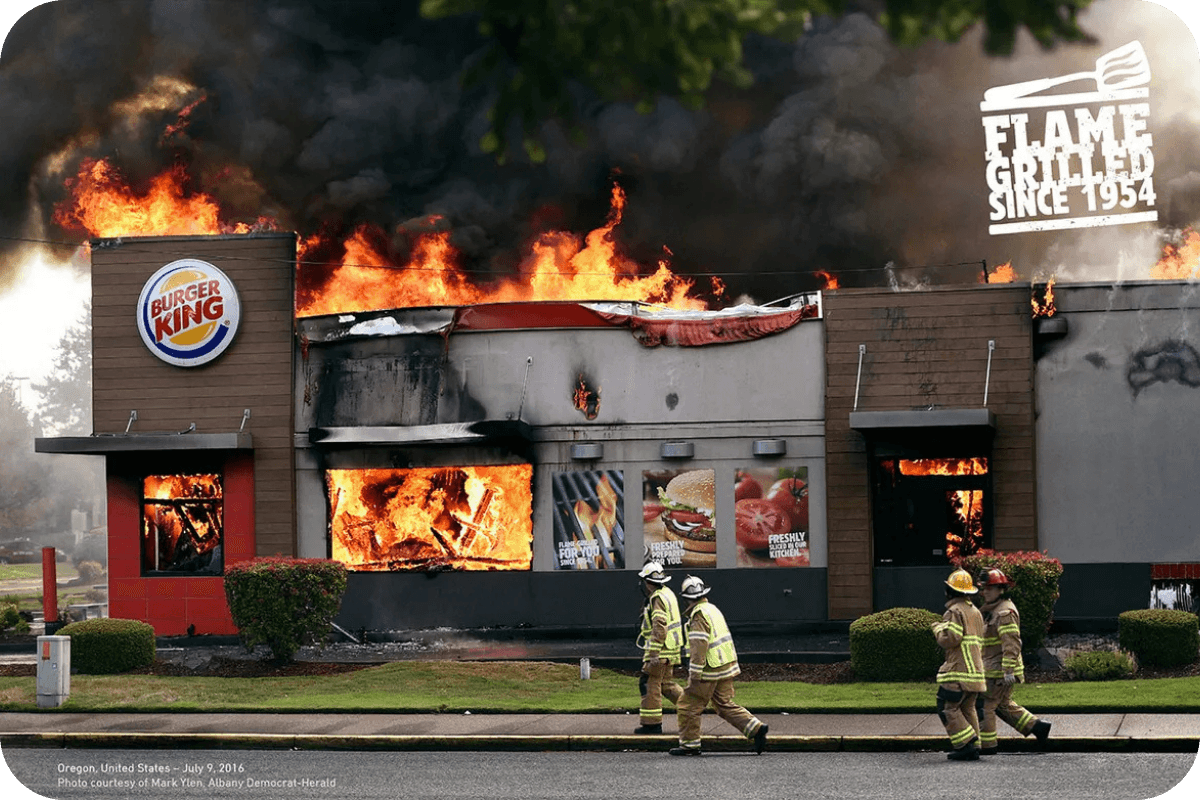
(Source: AdWeek)
IKEA's Mac Pro Trolling
When Apple released their cheese-grater-looking Mac Pro, IKEA immediately responded with an ad for a similar-looking cheese grater called the "iDealisk." Perfect example of reactive print that joins cultural conversations.

(Source: Reddit)
Pepsi's "Tastes OK" Campaign
Cleverly using Coca-Cola's own packaging design to suggest their competitor merely "tastes OK" while Pepsi "tastes better." Shows how print can create competitive narratives with minimal elements.

(Source: Ads Of The World)
FedEx Human Packages
Placing human faces on FedEx packages humanised logistics in a charming, memorable way. Demonstrates print's ability to give personality to otherwise functional services.

(Source: Creative Bloq)
Kit-Kat Lockdown Schedule
A calendar packed with Zoom meetings broken up by a Kit-Kat bar at 3pm, brilliantly connecting the brand's "Have a break" message with pandemic reality. Shows how print can remain relevant by adapting to current experiences.

(Source: OMCT)
Looking ahead
Understanding print's potential merely begins the journey. The real value comes from implementing these insights to drive tangible business results. Effective implementation requires a thoughtful strategy that identifies specific objectives, targets the right audience segments, and creates meaningful connections between physical and digital touchpoints. Success depends on understanding not just how to create compelling print materials, but how to integrate them into broader marketing ecosystems.
Ready to transform your marketing strategy with the power of print? Book a call with Will and James, our founding Gurus. With their deep expertise in both traditional and digital marketing, they'll help you create integrated campaigns that deliver measurable results.


Frequently Asked Questions
What do you mean by unlimited requests?
Once you’ve signed up, you can add as many design requests to your job list as you like. Your dedicated design team will tackle them one by one, based on the priorities you set. No hourly rates or per-project fees – everything is included in your package.
How do I make a design request?
Do I have to sign a contract?
How fast will I receive my designs?
What type of design work is included?


