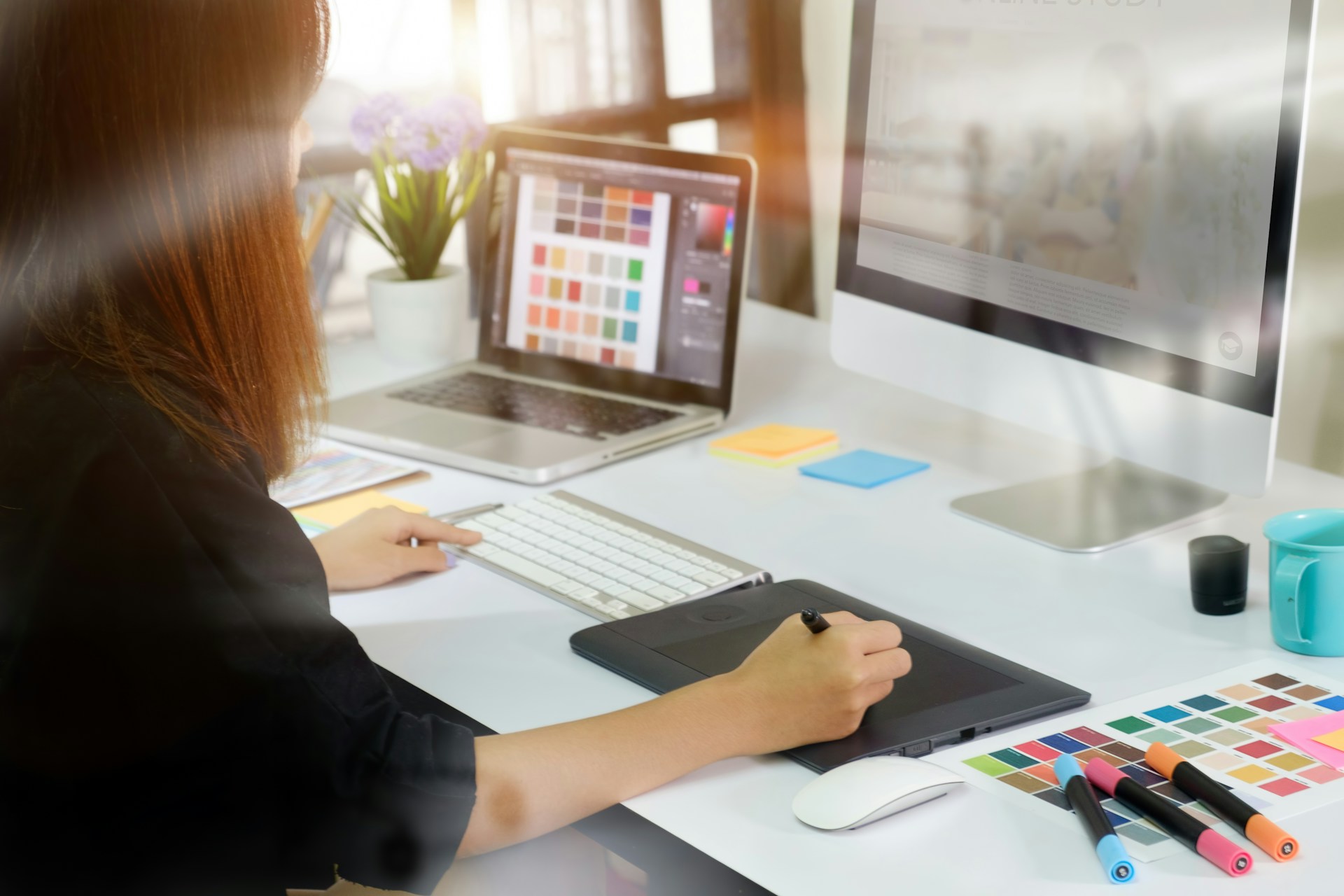
From One-Off Briefs to Consistent Brand Momentum
Marketers feel the pressure most in spring. Q2 planning ramps up, a new financial year kicks in, and suddenly every team wants fresh creative ready before summer campaigns go live. Social posts, email flows, paid ads, landing pages, sales decks, event banners, it all hits at once.
When design support is thin, everything slows down. You might be juggling freelancers in different time zones, chasing internal sign-off, and patching together visuals that almost match but not quite. Paid social looks one way, email looks another, and slide decks feel like they were made for a different brand. That chaos steals time and energy you should be spending on strategy and results.
A graphic design subscription service can flip that pattern. Instead of scrambling for help each time you need a new asset, you work with an always-on creative partner. The output feels steady, your brand feels consistent, and you can move faster without adding headcount.
A well-integrated subscription design team slots into marketing workflows, supports startup and SME teams, and provides a design setup that works at the pace they already move.
Why One-Off Design Briefs Hold Your Marketing Back
One-off design briefs seem simple at first. You have a campaign, you write a brief, you book a freelancer or agency, they design, you approve, and you are done. The problem is how much time that cycle eats when you repeat it again and again.
Every new project means:
New onboarding
New brand explanations
New alignment on goals and audience
New back-and-forth over style and tone
So you spend hours re-teaching the same things, instead of sharpening your message or reviewing results.
There are also hidden costs that do not show up on any neat line item. You might deal with:
Rush fees when something is suddenly urgent
Scope creep when a "simple" banner becomes a full set of variations
Designers getting booked up or unavailable at the worst moment
Endless rounds of edits because the designer has not yet learned your brand shorthand
All of this lands on the marketer. You become the project manager for scattered creatives. You are stuck explaining the campaign story over and over, chasing assets, checking file formats, and hoping nothing slips through the cracks right before launch.
The impact on brand performance is real. When design is handled project by project, your creative often turns out:
Inconsistent across social, email, web, and decks
Outdated by the time you are ready to test new angles
Too slow to support fast A/B tests or quick tweaks to a winning ad
You end up with a brand that feels stop-start instead of steady and strong.
How a Design Subscription Changes Your Daily Workflow
Now picture your design support as an always-on studio instead of a string of one-off jobs. That is the core idea behind a graphic design subscription service. It gives you a dedicated creative lane that is always open for your day-to-day needs, your seasonal pushes, and those last-minute "we need this by tomorrow" requests.
Your workday starts to feel different. Instead of hunting for someone who can take a job, you already have a team in place. A typical day might look like this:
You log into your portal or board in the morning
You queue new tasks for the week, based on your content calendar
You mark priorities and due dates
You review yesterday's drafts, leave clear comments, and move on
Because the setup is recurring, the designers get to know you. They learn:
Your brand guidelines and non-negotiables
Your core audience segments and what they respond to
The quirks of each channel you use, from paid social to partner decks
Over time, briefs get shorter. You can say "use the layout from last month’s email but for the new offer" and your team understands. Revisions go down because the first draft is already close to what you had in mind. Your assets start to perform better, because each round builds on what worked before.
Instead of fighting fires all week, you have a creative pipeline that keeps moving while you focus on targeting, messaging, and results.
Planning Your Transition From Ad Hoc to Subscription
Switching from one-off design work to a subscription does not need to be a big, dramatic move. It works best when you treat it as a planned shift, starting with a simple audit of what you actually produce.
Look back over the last three to six months and list out:
Email campaigns
Paid social and display ads
Organic social posts
Landing pages and pop-ups
Sales and investor decks
Event and conference collateral
Then ask a few questions:
Which formats keep repeating?
Where did you feel the biggest delays?
What always seems to need a last-minute tweak?
From there, you can map your real workload to what a subscription would cover. Estimate:
Your monthly volume of assets
Peak periods, like product launches, big sales, industry events, or summer promos
Which design tasks could move away from in-house staff or general agencies and into a focused design partner
Timing matters too. For many marketing teams, March is a smart moment to make the shift. Spring and summer campaigns are close, Q2 pushes are lining up, and conference season starts to creep in. Locking in a graphic design subscription service around that time means creative will not be the thing that holds back your next launch.
Choosing the Right Graphic Design Subscription Partner
Not every subscription setup is the same, so it helps to be clear about what you need before you choose.
Key points to check include:
Turnaround times for common asset types
How you communicate, like portal, chat, or email
Range of formats they handle, such as ads, landing pages, decks, print, and social
What is included, what is not, and how capacity is managed
Process fit might matter more than anything. Ask how they:
Accept briefs and assets
Handle revisions and version control
Run brand onboarding and guideline setup
Use past performance data, like which ads converted, to inform new creative
As a benchmark, look for partners that are built for startups and SMEs that need speed without building a full in-house studio, operate on an on-demand model, and focus on slotting into fast marketing teams that need predictable monthly support instead of constant renegotiation.
Make the Switch and Launch Your Next Campaign Faster
The real shift here is mindset. You move from reactive design requests, sent in a panic, to a proactive creative pipeline that is always running in the background. That pipeline feeds your testing, your seasonal campaigns, and your long-term brand story, without you having to restart from zero every time.
A simple way to try this is to commit to a 90-day transition. During that window, you:
Run your next major campaign through a subscription partner
Shift your regular BAU assets like social tiles and email images into that same system
Track time saved, the flow of feedback, and how often creative actually slows you down
By the end of that period, most teams have a clear view of what works better. For marketers who are tired of scrambling before every launch, a graphic design subscription service can turn design from a blocker into a steady, reliable strength before the next seasonal push hits your calendar.
Get Started With Your Project Today
If you are ready to streamline your creative workflow, our graphic design subscription service is built to deliver consistent, on-brand visuals without the hassle of hourly billing. At DesignGuru, we work as an extension of your team so you can request new designs whenever you need them and keep projects moving. Choose the plan that fits your goals, share your design queue, and we will start turning your ideas into polished assets in days, not weeks



Frequently Asked Questions
What do you mean by unlimited requests?
Once you’ve signed up, you can add as many design requests to your job list as you like. Your dedicated design team will tackle them one by one, based on the priorities you set. No hourly rates or per-project fees – everything is included in your package.
How do I make a design request?
Do I have to sign a contract?
How fast will I recieve my designs?
What type of design work is included?