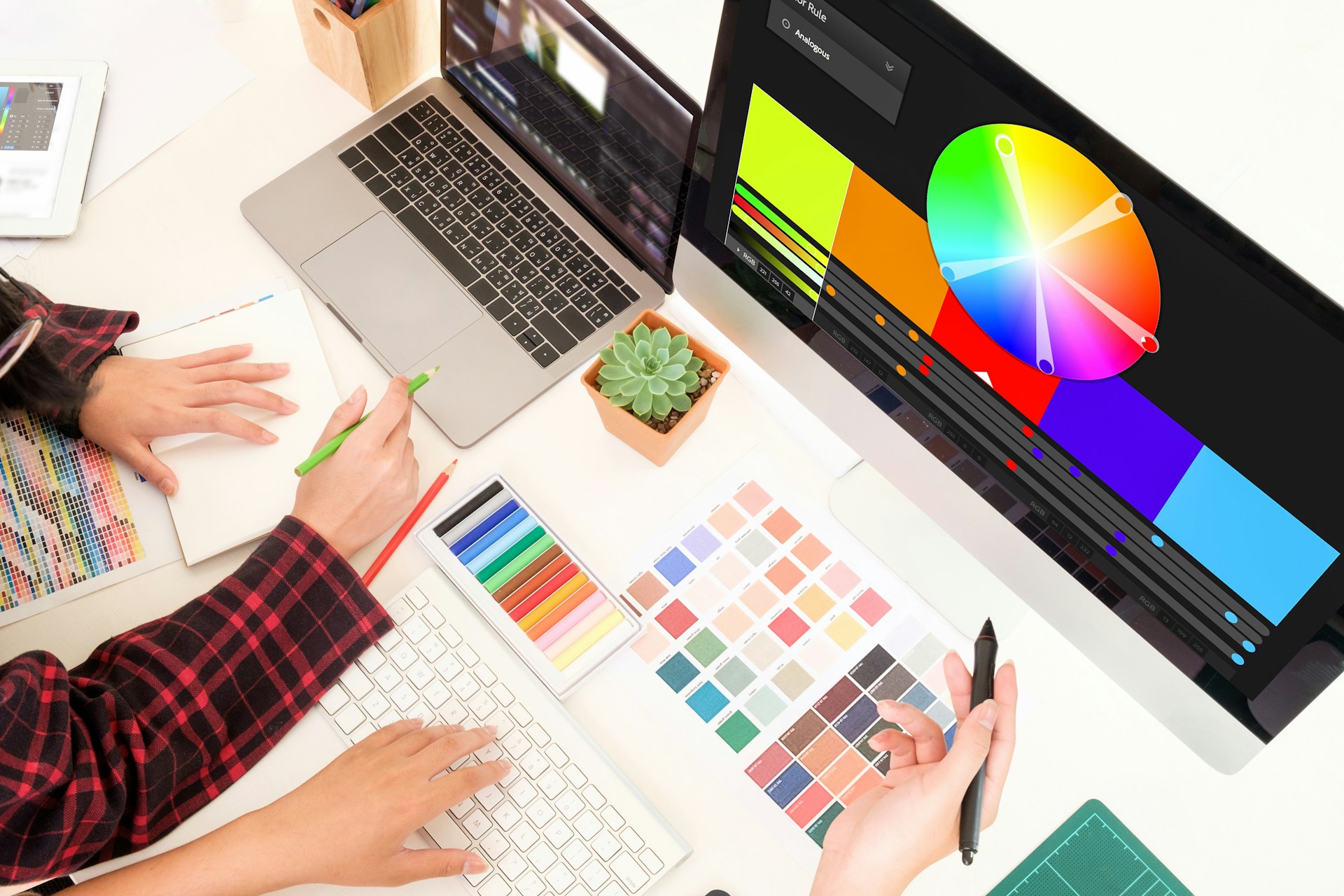
Turn Design Chaos Into a Repeatable Growth Engine
Founders have busy brains and crowded calendars. When Q1 and spring planning hit, everything happens at once: fundraising talks, product updates, hiring, events, and new campaigns that all need design yesterday. Requests pop up in Slack, email, random docs, even late-night voice notes. It gets messy fast.
This is where a design playbook comes in. Instead of firing off one-off jobs, you set up simple systems that turn design into a repeatable growth engine. You plug into a graphic design subscription model, feed it clear inputs, and get a steady flow of on-brand assets you can test, improve, and reuse across channels.
When that system is running, design stops being a bottleneck. Every launch, promo, and investor update becomes part of a flywheel, not a fire drill. That is the goal this playbook is built to support for founders.
Define Your High-Impact Design Moments
A strong playbook starts with knowing which moments matter most. Not every graphic is equal. Some move numbers, some are just nice to have. Prioritize the initiatives that actually drive outcomes first.
Start by mapping your key founder milestones across the year, especially moving from winter into spring when campaigns ramp up. Common milestones include:
Fundraising rounds and investor updates
Product launches or big feature drops
Seasonal promos like a spring sale or tax season offers
Conference season, trade shows, and live events
Hiring pushes when you need talent fast
For each milestone, list the assets that actually drive KPIs like signups, demos, MRR, or close rates. That might look like fundraising materials such as pitch decks, data visuals, and investor one-pagers; sales and acquisition assets such as landing pages, ad sets, and email graphics; product and onboarding collateral such as feature one-pagers, walkthrough slides, and app store creatives; and founder brand items such as slide templates, LinkedIn graphics, and content thumbnails.
Then, rank design requests by impact and deadline. In practice, that means a quick social post about office plants probably comes after higher-leverage work like:
A retargeting ad set tied to MRR
A sales deck that your team uses on every call
A promo landing page for a time-limited spring campaign
Once you have that ranking, your design resources can focus on the highest-impact work first. You get more leverage from the same number of design hours.
Build a Plug-and-Play Creative Brief System
Next, you need a way to get ideas out of your head and into a designer’s hands without a 20-message back-and-forth. That is where a master creative brief saves a lot of time and rework.
Keep one standard brief template that everyone on your team uses. At minimum, include:
Objective: What are we trying to achieve?
Audience: Who is this for, and what do they care about?
Key message: What is the one main takeaway?
Success metric: How will we judge if this worked?
Formats: Sizes, channels, and any required versions
Brand elements: Colors, fonts, logos, must-use phrases
Messy ideas are fine, the key is to attach context so your designer can make good decisions quickly. Along with the brief, share supporting inputs like:
Lo-fi sketches, even if they are rough scribbles
Screenshots of past winners that performed well
Competitor examples and what you like or dislike
Rough copy, even if it needs editing later
Then set clear rules of engagement inside your company so requests do not become a free-for-all. Define:
Who is allowed to submit requests to the design queue
What counts as “urgent” versus “nice to have”
Where feedback and approvals live so comments are not spread across apps
How you will handle busy periods like launches, travel weeks, or big conferences
When your team follows the same playbook, your design partner can nail projects on the first pass more often. That means faster turnarounds and fewer late nights tweaking slides before a call.
Turn Your Design Workflow Into a Testing Lab
A design subscription or on-demand design setup should be more than a request box. If you treat it like a testing lab, every batch of creatives helps you learn.
For performance channels, avoid asking for only a single version of an ad or banner. Instead, build testing into the brief by requesting variation across the elements that most often change outcomes:
Ask for multiple hooks or headlines per concept
Try different layouts, such as image-heavy vs text-led
Test color approaches and visual styles that still match your brand
For example, your brief might say:
“Give us three headline options: one conservative, one bold, one surprising.”
“Create two layout variations, one mobile-first, one desktop-focused.”
“Try a clean product-focused style and a more lifestyle-driven style.”
Then, close the loop by sharing real metrics back with your design team. Useful feedback can include:
CTR and conversion from paid social
Demo requests or reply rates from email
Investor response to specific deck sections
You do not need complex dashboards. Even a simple note like “Version B outperformed A; keep this layout for the future” helps. Over time, this feedback turns into patterns. Your creatives get sharper each round, and you spend less time guessing what works.
Scale Founder Brand and Storytelling at Speed
Founders are now front and center: on stages, in podcasts, on social feeds, in inboxes. The story you tell and how it looks has a direct impact on the trust you build.
Instead of starting from scratch each time, systematize founder-facing collateral such as investor decks and quarterly updates; conference talks, panel slides, and workshop decks; podcast one-sheets and media kits; and visuals for thought-leadership posts and LinkedIn content.
To keep momentum, work with your design team to create evergreen, modular templates you can reuse and adapt, including:
A core pitch deck with swappable sections for different audiences
KPI dashboards that can be updated each quarter
Announcement graphics for launches, new hires, and milestones
Feature one-pagers that you can clone and tweak as the product grows
If you are selling across regions or segments, use your design resources to localize and repurpose so the work goes further. One strong spring campaign can spin into:
Region-specific versions with localized details
Channel-specific assets for paid, organic, and email
Vertical-specific tweaks for different industries
You keep the story consistent, but the surface changes just enough to feel personal.
Turn Today’s Playbook Into Next Quarter’s Edge
The last piece of the system is learning from what you ship. Founders often move so fast that good work disappears into old folders. That is lost leverage.
Start a simple “Design Wins” library that lives somewhere everyone can find, and save:
Top-performing ads and their variants
Deck slides that landed well in calls or investor meetings
Email layouts that got strong replies
Landing page sections that helped conversions
Then, run a quick design retrospective at key points, like the end of Q1 and before summer campaigns. Use a short set of prompts to keep it focused:
Which assets clearly drove signups, demos, or revenue?
Where did we get stuck or move too slowly?
Which playbooks, like fundraising or acquisition, need a tweak?
What should we ask our design partners to systematize next?
Over a few cycles, your design playbooks turn into a real edge. You are not just throwing creatives at the wall. You are building a living system that compounds, one brief and one asset at a time. This shift leads to less chaos, more focus, and design that consistently supports growth.
Get Started With Your Project Today
If you are ready for reliable, on-demand design, our graphic design subscription service makes it simple to keep your brand looking sharp. At DesignGuru, we handle everything from quick edits to full campaign visuals so your team can stay focused on strategy. Choose the plan that fits your workflow, submit your first request, and we will start turning your ideas into polished designs right away.


Frequently Asked Questions
What do you mean by unlimited requests?
Once you’ve signed up, you can add as many design requests to your job list as you like. Your dedicated design team will tackle them one by one, based on the priorities you set. No hourly rates or per-project fees – everything is included in your package.
How do I make a design request?
Do I have to sign a contract?
How fast will I receive my designs?
What type of design work is included?


