TL;DR
The real cost driver isn't design work—it's revision rounds and scope expansion. A £2,000 brand identity project often becomes £8,000 because of undefined expectations, not expensive designers.
Phase your brand development strategically: Start with logo and colour palette (£500-2,000), add comprehensive guidelines later (£1,500-3,000), scale to full visual system when revenue supports it (£5,000+).
The subscription model costs £749/month and eliminates the biggest budget killer: unlimited revisions mean you can iterate until it's right without watching the clock.
Most "cheap branding" isn't cheap long-term: A £50 Fiverr logo typically requires a complete rebrand within 18 months. The apparent savings evaporate when you factor in replacement costs.
Focus money on strategy first, execution second: A £1,000 brand strategy document with clear positioning will stretch your design budget 3x further than starting with "make me a logo."
Know your non-negotiables: Every brand needs a professional logo, a defined colour palette, and typography that works across digital and print. Everything else can be added later.
You've been quoted £15,000 for a "complete brand identity package." You have £2,500 in the budget. The project needs to launch in six weeks.
This is the point where most founders either panic, settle for a £50 logo from Fiverr, or convince themselves that "branding doesn't really matter" for their business stage. All three paths lead to the same place: starting over 18 months later when the business has grown but the brand hasn't.
We've worked with 125+ companies who've navigated this exact dilemma. Some got it right from the start. Others paid the "cheap branding tax"—that hidden cost of replacing inadequate brand work once you realise it's holding you back. The difference wasn't always budget size. It was understanding what actually costs money in branding, where you can strategically cut costs without cutting quality, and how to phase brand development so you're not trying to build everything at once.
This article breaks down the real economics of brand identity creation, the false economies that drain budgets without delivering value, and a practical framework for building professional brand foundations on whatever budget you're working with.
What Actually Costs Money in Brand Identity (And What Doesn't)
The £15,000 brand identity quote isn't arbitrary price inflation. It reflects the actual time investment required for comprehensive brand development: research, strategy, design exploration, refinement, and documentation. But here's what most quotes don't tell you: 70% of that cost comes from scope expansion and revision rounds, not the core design work itself.
A typical brand identity project breaks down like this:
Strategy and research (20-30 hours): Competitive analysis, audience research, positioning workshops, brand architecture. This work costs £2,000-4,000 depending on complexity.
Logo design (15-25 hours): Concept development, typically 3-5 directions, refinement of chosen route, finalisation of primary logo and variants. This costs £1,500-3,000 for professional work.
Supporting visual identity (20-40 hours): Colour palette, typography selection, graphic elements, photography style, illustration approach. Costs £2,000-5,000.
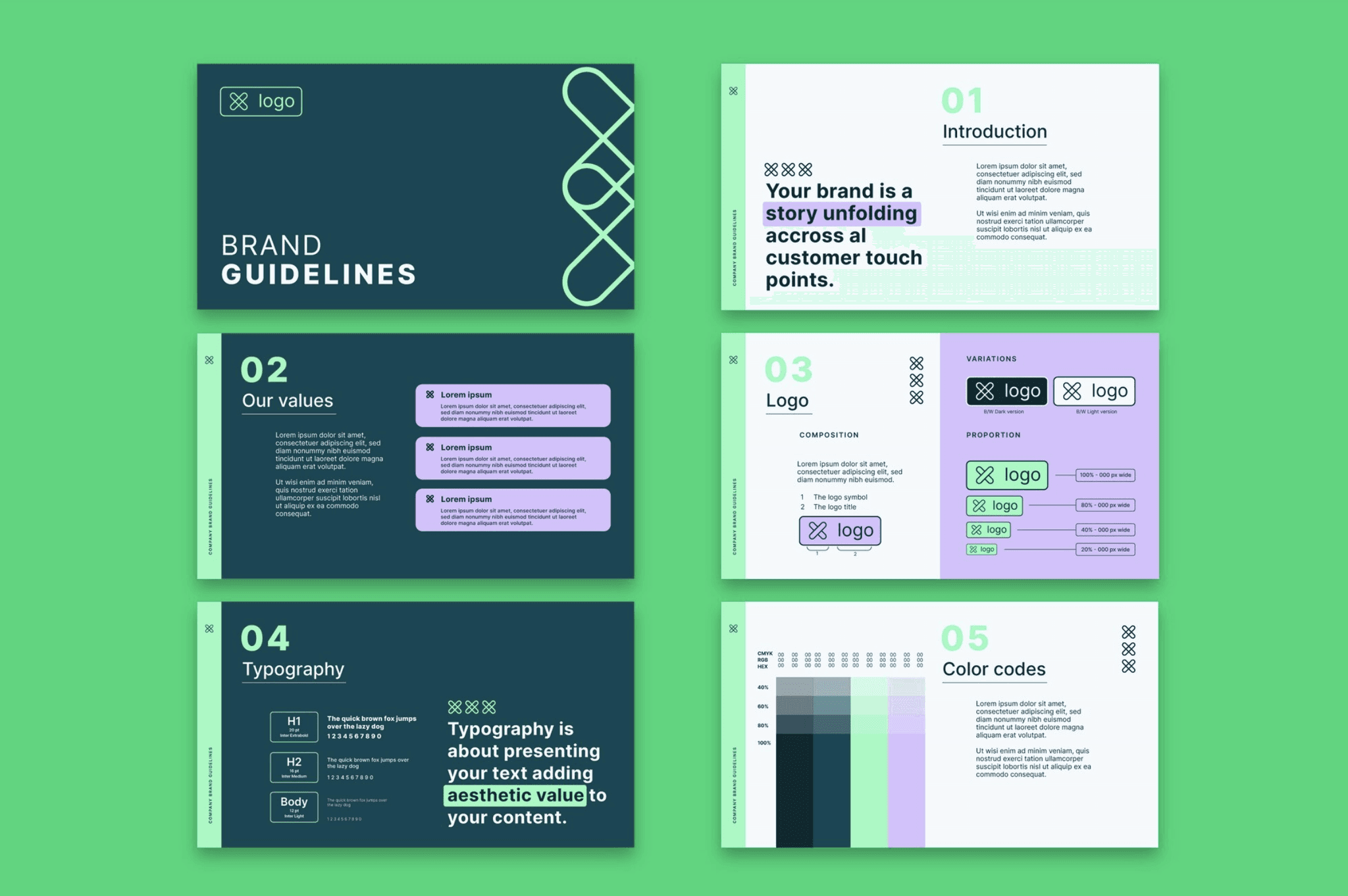
Brand guidelines documentation (10-20 hours): Creating the reference document that keeps your brand consistent. Costs £1,000-2,500.
Application and templates (variable): Business cards, letterheads, social media templates, presentation decks. Each deliverable adds £300-800.
Revisions and scope expansion (highly variable): The undefined monster that devours budgets. Costs anywhere from £2,000-10,000+ depending on how many rounds of "can we try it with..." happen.
The path to affordable brand identity isn't cutting corners on the work itself. It's eliminating the budget killers: unclear scope, undefined expectations, and the revision death spiral where each round of changes spawns new ideas that require more changes.
The False Economies Most Brands Fall Into
Across 7,600+ design requests since 2023, we've seen every budget-stretching strategy attempted. Some work brilliantly. Others masquerade as savings while quietly costing more in the long run.
False economy #1: The £50 Fiverr logo
The immediate cost is low. The replacement cost arrives 12-18 months later when you've printed 10,000 business cards with a logo that doesn't scale to mobile screens, used fonts you don't have licenses for, and received a file format that can't be edited.
One client came to us after spending £45 on a Fiverr logo, then £800 on a "professional redesign" from a local freelancer, then finally £2,200 on a proper rebrand when they realised neither version worked. Total cost: £3,045 for something they could have had right the first time for £1,500-2,000.
The real cost of cheap logos isn't the money—it's the momentum lost when you pause growth to fix foundational brand problems.
False economy #2: "We'll just use Canva templates"
Canva is brilliant for many things. Brand identity foundation isn't one of them. The platform's templates are designed for accessibility, not uniqueness. Your brand ends up looking like 10,000 other brands using the same template.
We're not anti-Canva—several of our clients use it successfully for social media graphics once their core brand identity exists. But templates can't give you strategic positioning, differentiated visual language, or a system that scales with your business.
False economy #3: Hiring a junior designer because they're "cheaper"
A junior designer charging £300 for a logo isn't a bargain if they deliver something that needs a senior designer's £1,500 intervention to become usable. You've spent £1,800 for £1,500 worth of work, plus you've lost time.
The actual false economy here is conflating hourly rates with project value. A senior designer might charge 3x more per hour but complete the work in half the time with 90% fewer revisions. The total project cost often ends up lower.
False economy #4: Skipping brand strategy to "save time"
"We don't need all that strategy stuff, we just need a logo." We hear this weekly. It's understandable—strategy documents feel abstract compared to tangible design files.
Here's what happens when you skip strategy: your designer creates five logo concepts. You like elements from three of them. They combine those elements. You request changes. They make the changes. You request more changes. Fifteen revision rounds later, you've spent £4,000 on a logo that would have cost £1,800 if you'd defined positioning and visual direction first.
Brand strategy isn't an optional luxury—it's the framework that makes design work efficient. A £1,000 investment in strategic clarity typically saves £2,000-3,000 in design revision costs.
How Much Does Brand Identity Actually Cost?
Let's establish realistic budget expectations for different scopes of work, based on UK market rates for competent professionals (not agencies pricing in their office overheads and account management layers).
Minimal viable brand identity (£500-1,500):
Primary logo in vector format
Basic colour palette (2-3 colours)
Typography selection (1-2 fonts)
Simple one-page usage guide
This is appropriate for: very early-stage startups, side projects, or businesses where brand differentiation isn't a competitive advantage. You'll likely need to expand this within 12-24 months.
Professional brand foundation (£2,000-4,000):
Full logo system (primary, secondary, icon variations)
Complete colour palette with accessibility testing
Typography system for headings, body, and UI
Core graphic elements and visual language
10-15 page brand guidelines document
File delivery in all necessary formats
This is appropriate for: most growing businesses, B2B service companies, consumer brands at launch. This scope provides a foundation you can build on for 3-5 years.
Comprehensive brand identity (£5,000-12,000):
Everything in professional foundation, plus:
Extensive brand strategy and positioning work
Custom illustration system or photography art direction
Detailed application guidelines for various contexts
Template creation for common materials
Brand asset library setup
Multiple stakeholder workshops and presentations
This is appropriate for: established companies rebranding, businesses entering competitive markets, organisations with multiple sub-brands or complex offerings.
Enterprise brand systems (£15,000-50,000+):
Multi-tier brand architecture
International market considerations
Extensive touchpoint mapping and application design
Digital design system development
Print and environmental design standards
Internal brand training and rollout support
This is appropriate for: large organisations, publicly traded companies, brands with franchise or licensing models.
The question isn't which tier you can afford right now. It's which tier your business actually needs today, and how you'll phase the build-out as revenue grows.
Strategic Phasing: The Budget-Savvy Approach to Brand Development
Here's the approach we've seen work consistently for budget-conscious but ambitious brands: build the minimum effective foundation, then expand strategically based on actual business needs rather than theoretical completeness.
Phase 1: Launch Foundation (£1,500-2,500)
Focus: Logo, colour palette, typography, basic usage rules.
This gives you everything needed to launch professionally: a website, business cards, basic marketing materials. You won't have every possible scenario documented, but you'll have enough to move forward without looking unfinished.
Phase 2: Consistency Layer (£1,500-3,000, 6-12 months after launch)
Focus: Comprehensive brand guidelines, template library, photography and illustration style definition.
By this point, you've actually used your brand in real situations. You know which materials you create repeatedly. You've found the gaps in your initial system. This phase codifies solutions to real problems you've encountered.
Phase 3: Scaling Infrastructure (£3,000-6,000, 12-24 months after launch)
Focus: Digital design system, expanded graphic language, sub-brand or product line identities, seasonal campaign frameworks.
Your business has grown. You're hiring people who need to create brand-consistent work without direct oversight. You're launching new offerings that need to feel connected but differentiated. This phase builds the systems that enable growth without creative bottlenecks.
One e-commerce client followed this exact path. They spent £2,200 on phase 1, launched successfully, then added £2,800 for comprehensive guidelines after nine months when they were hiring their first marketing manager. Eighteen months later, they invested £5,500 in a complete design system as they prepared for a funding round. Total investment over two years: £10,500. Total value: a brand that scaled with the business rather than requiring emergency rebrands every time they hit a growth milestone. See more examples of our brand identity work across different industries and budget levels.
The Subscription Alternative: Fixed Costs, Variable Scope
Traditional agency pricing for brand identity creates a perverse incentive: agencies maximize profit by minimizing revision rounds, while clients maximize value by requesting changes until it's perfect. This fundamental misalignment is why branding projects go over budget and over time.
The subscription model flips this equation. At DesignGuru, clients pay £749 monthly and submit unlimited design requests. For brand identity work, this creates a different dynamic: the client iterates freely because refinements don't cost extra, and we benefit from clear communication because it makes projects more efficient. Here's how the subscription model works in practice.
We've processed brand identity projects ranging from simple logo refreshes to complete visual system development through the subscription model. The pattern is consistent: projects reach "final" status 30-40% faster than traditional quoted work, not because we rush them, but because clients don't artificially batch feedback to avoid extra revision charges.
A recent client spent three months developing their brand identity through the subscription: month one focused on logo and core identity, month two on guidelines and templates, month three on launch materials and asset library setup. Total cost: £2,247 (three monthly payments). For comparison, the quoted project cost from two traditional agencies was £8,500 and £12,000 respectively.
The subscription model isn't cheaper for every scenario—if you need a logo and nothing else ever again, a one-off project makes more sense. But if you're building a brand that will require ongoing design support, the fixed monthly cost eliminates the biggest unknown in traditional creative budgets: how much will revisions and expansions actually cost?
What to Invest In, What to Skip, What to Add Later
After working with brands at every budget level, we've identified clear patterns in what delivers immediate value versus what can be safely deferred.
Invest immediately in:
Logo design from a competent professional. This is non-negotiable. Your logo appears everywhere. It's worth getting right. Budget: £1,500-3,000.
A colour palette that actually works. Three colours minimum: primary brand colour, secondary/accent colour, neutral. Test them for accessibility and screen/print compatibility. Budget: typically included in logo work.
Typography that covers all use cases. One font family rarely suffices—you need something for headings and something for body text, at minimum. Budget: £300-500 for selection and licensing guidance.
File formats that don't trap you. Vector files (AI, EPS, SVG), high-resolution PNGs with transparent backgrounds, and editable source files. This costs nothing extra but many cheap designers don't provide it.
Skip initially (add when budget allows):
Custom illustration systems. Beautiful but expensive (£2,000-5,000+). Use photography and standard graphic elements until revenue supports custom illustration.
Extensive photography art direction. Stock photography or iPhone photos with consistent filtering can work for 12-24 months while you build the budget for a proper shoot.
Printed brand guidelines book. A digital PDF serves the same function for 1/10th the cost. The printed version is prestige, not necessity.
Animation and motion design standards. Unless you're producing video content weekly, this can wait until you're consistently using motion graphics.
Add when these specific triggers happen:
Comprehensive brand guidelines when you hire your second marketing person. One person can hold brand standards in their head. Two people need documentation.
Sub-brand or product line identity systems when you launch a new offering that needs its own identity while remaining connected to the parent brand.
Digital design system when you have developers implementing designs regularly and consistency issues are emerging.
Environmental and retail standards when you're opening physical locations or creating in-store experiences.
International market adaptations when you're entering markets where your current brand doesn't translate culturally or linguistically.
The goal is matching brand investment to actual business needs, not aspirational completeness.
Tools and Approaches for Different Budget Levels
If you're working with minimal budget (under £1,000), here's the honest assessment of your options:
DIY with premium tools can work if you have design sensibility and significant time. Adobe Express or Canva Pro (£10-15/month) provide capabilities that were £500/month software ten years ago. The limitation isn't the tools—it's that design excellence requires both technical skills and strategic thinking. Most founders have one or neither.
Freelancer marketplaces (Fiverr, Upwork, 99designs) are viable if you can evaluate design quality effectively and write crystal-clear briefs. Budget £300-800. The hit rate on finding genuinely skilled designers is roughly 1 in 5 attempts. Factor in the time cost of failed starts.
Design students or recent graduates can deliver excellent work for £500-1,200. The trade-off is speed and process maturity. Expect to invest more time in communication and feedback. Source through university career services or design program showcases, not random outreach.
Mid-tier freelance designers (£40-80/hour, £1,500-3,500 for brand identity) are the sweet spot for most small businesses. Look for designers with 3-7 years of professional experience, not 15+ (you're paying for overhead at that level).
Subscription design services like DesignGuru (£749/month) make sense when you need brand identity work plus ongoing design support. If you'd spend £2,000 on branding, then hire a freelancer for £800/month for marketing materials, the subscription model costs less and provides more flexibility.
Traditional brand agencies (£8,000-50,000+) deliver value when you need extensive strategy work, stakeholder management across complex organisations, or prestige association. For most growing businesses, this investment makes more sense at the scale-up stage, not startup phase.
The Real Question: What Does "Budget" Actually Mean for Your Business?
We've seen bootstrap startups invest £5,000 in brand identity (25% of their total pre-launch budget) and venture-backed companies with £2M in funding try to source a logo for £200. The budget constraint isn't always absolute—it's often psychological.
If professional brand identity costs £3,000 and you have £8,000 in total marketing budget, that feels expensive. If it costs £3,000 and you have £80,000 in marketing budget, it feels cheap. The actual cost hasn't changed—the context has.
Here's the reframing question that helps: What will inadequate branding cost you in lost opportunities, replacement work, and competitive disadvantage over the next 24 months?
If you're entering a market where brand perception significantly influences buying decisions (consumer products, professional services, B2B software), weak branding isn't a neutral starting point—it's an active handicap. You're asking customers to overlook your appearance and judge you purely on substance. Some will. Most won't.
The brand identity budget question isn't "can we afford this?" It's "can we afford not to get this right?" followed immediately by "what's the minimum effective version that gets it right?"
For most growing businesses, that minimum effective version costs £1,500-3,000 when executed competently. It's not the rock-bottom cheapest option (that's £50 and a Fiverr designer). It's not the comprehensive dream version (that's £15,000 and a brand strategy consultancy). It's the professional foundation that won't embarrass you in 18 months.
Moving Forward: Your Next Steps
If you're starting from zero brand identity with a limited budget, here's the practical path forward:
Define your actual constraints. Is this "we have £800 total" or "we have £5,000 but £3,000 feels too expensive"? Psychological budgets and real budgets require different solutions.
Determine your phase one scope. What do you absolutely need to launch versus what would be nice to have? Most businesses need logo, colour palette, typography, and basic usage rules. Everything else is phase two or three.
Decide your approach. DIY with premium tools, individual freelancer, subscription service, or traditional agency. Match the approach to your budget, timeline, and internal design literacy.
Write a clear creative brief. This is where most budget-conscious projects fail—vague direction leads to extensive revisions, which consume budget. Define your positioning, audience, competitive differentiation, and aesthetic preferences before any design work begins.
Plan for iteration. First drafts are rarely final drafts. Budget time and money for refinement. Under the traditional model, this means building revision rounds into quotes. Under a subscription model, it means staying subscribed until the work is actually finished. If you want to understand exactly how our design process handles iterations and revisions, we've documented the full workflow.
Document as you go. Even if you're not creating comprehensive brand guidelines immediately, capture decisions about colour values, font names and weights, logo spacing rules, and usage contexts. This prevents reinventing standards every time you create something new.
The Pattern We've Seen Work
Brand identity on a budget isn't about finding the cheapest possible option. It's about strategic investment in the elements that actually matter, systematic deferral of nice-to-have additions, and ruthless elimination of the budget-killers that don't show up in initial quotes.
The clients who've navigated this successfully share a pattern: they spent 80% of their budget on strategic foundation work (positioning, logo, core identity system), 20% on immediate applications (website, business cards, one key marketing piece), then expanded systematically based on actual business needs rather than theoretical completeness.
They didn't try to build everything at once. They built the right things in the right order. The budget constraint wasn't a limitation to work around—it was a focusing mechanism that forced prioritisation of genuine needs over assumed requirements.
If you're evaluating whether a subscription design model could solve the "professional branding on a budget" challenge for your business, we're happy to walk through how it works with your specific situation. No hard sell, just straight answers about whether the model makes sense for your budget and timeline. Book a quick chat with our co-founders James and Will.

James is an ex-corporate strategist who left the boardroom to fix the broken agency model. Frustrated by the inefficiency and high costs of "legacy design," he co-founded DesignGuru to disrupt the industry - giving agile businesses the enterprise-grade creative firepower they need, without the corporate bloat.


Frequently Asked Questions
What do you mean by unlimited requests?
Once you’ve signed up, you can add as many design requests to your job list as you like. Your dedicated design team will tackle them one by one, based on the priorities you set. No hourly rates or per-project fees – everything is included in your package.
How do I make a design request?
Do I have to sign a contract?
How fast will I receive my designs?
What type of design work is included?


